
Meet the yield sources: Steakhouse, DeFi's powerhouse risk curator
Who Is Steakhouse Financial?
Steakhouse Financial is a DeFi advisory and research firm that's been at the center of some of the most important developments in onchain finance. Founded in 2020, they work with top tier names in crypto that you'd recognize - Coinbase, Sky (formerly MakerDAO), Lido, and Ethena - advising on risk management and financial operations.
But their most consequential contribution might be what they did for real-world assets. Steakhouse catalyzed the emergence of tokenized RWAs by onboarding US Treasuries and private credit to MakerDAO, helping build what's now a $2.5 billion+ portfolio.
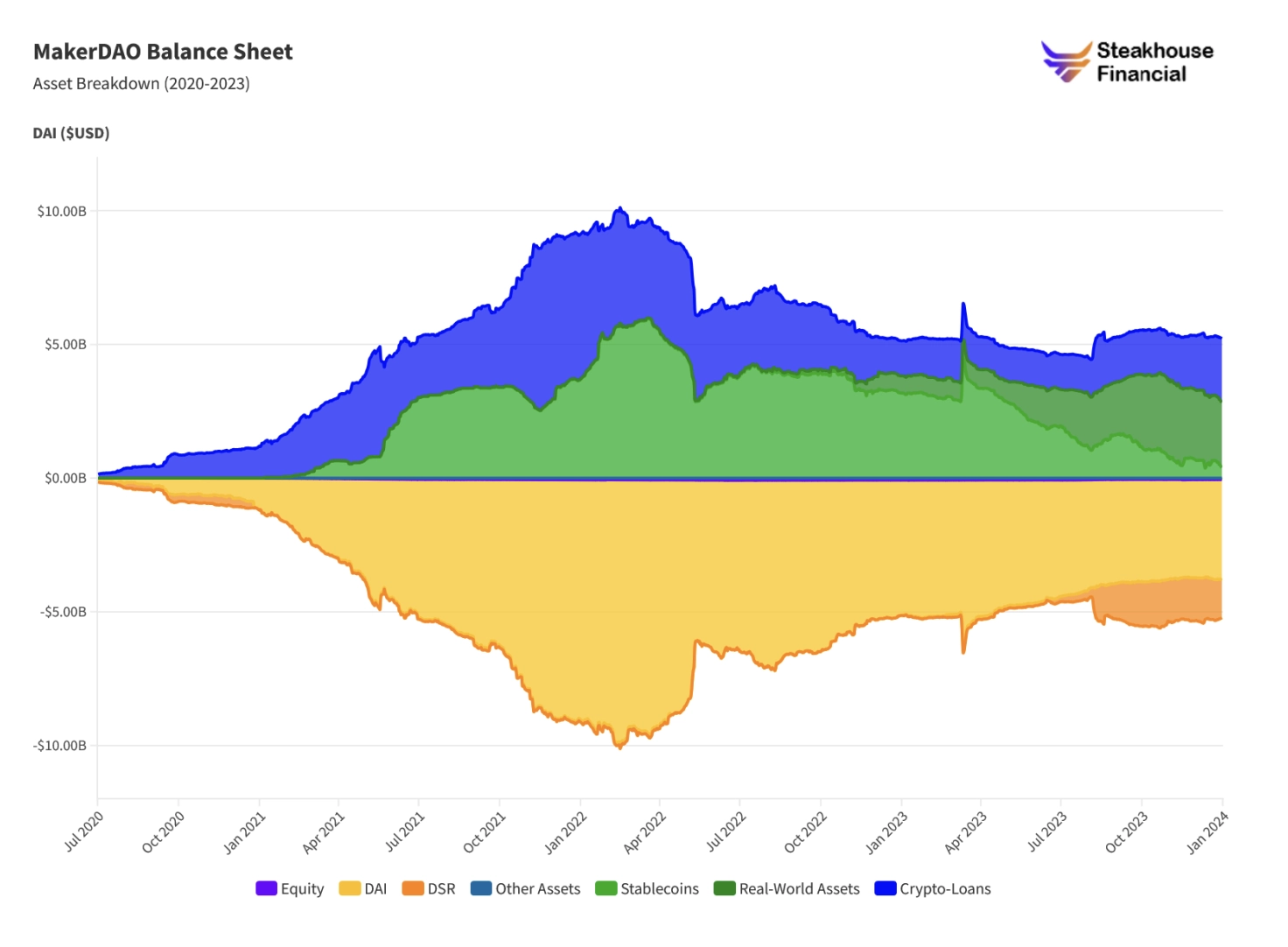
Steakhouse - 2023 Annual report for Sky Ecosystem (MakerDAO at the time)
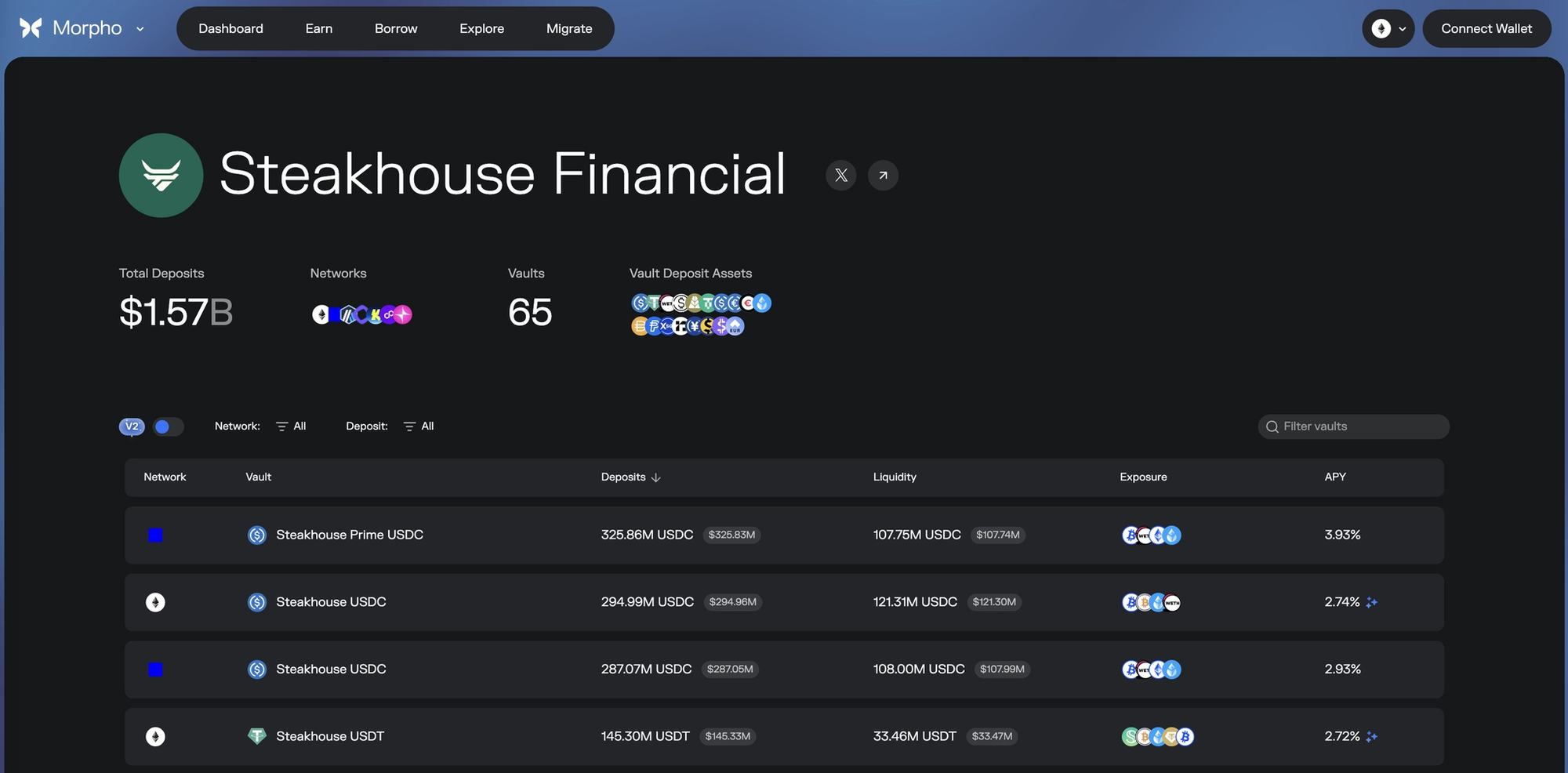
When Morpho launched its vault infrastructure in early 2024, Steakhouse was among the first curators on the platform. In the 18 months since, they've grown from a consulting firm that dabbled in vault curation to the largest vault curator on Morpho by a significant margin, managing $1.5 billion across 51 vaults on six chains (Ethereum, Base, Polygon, Arbitrum, Katana, and Unichain).
They are also the risk curator behind some of the most consequential Morpho vault integrations, namely the Coinbase lending integration, bringing onchain yield to the masses.
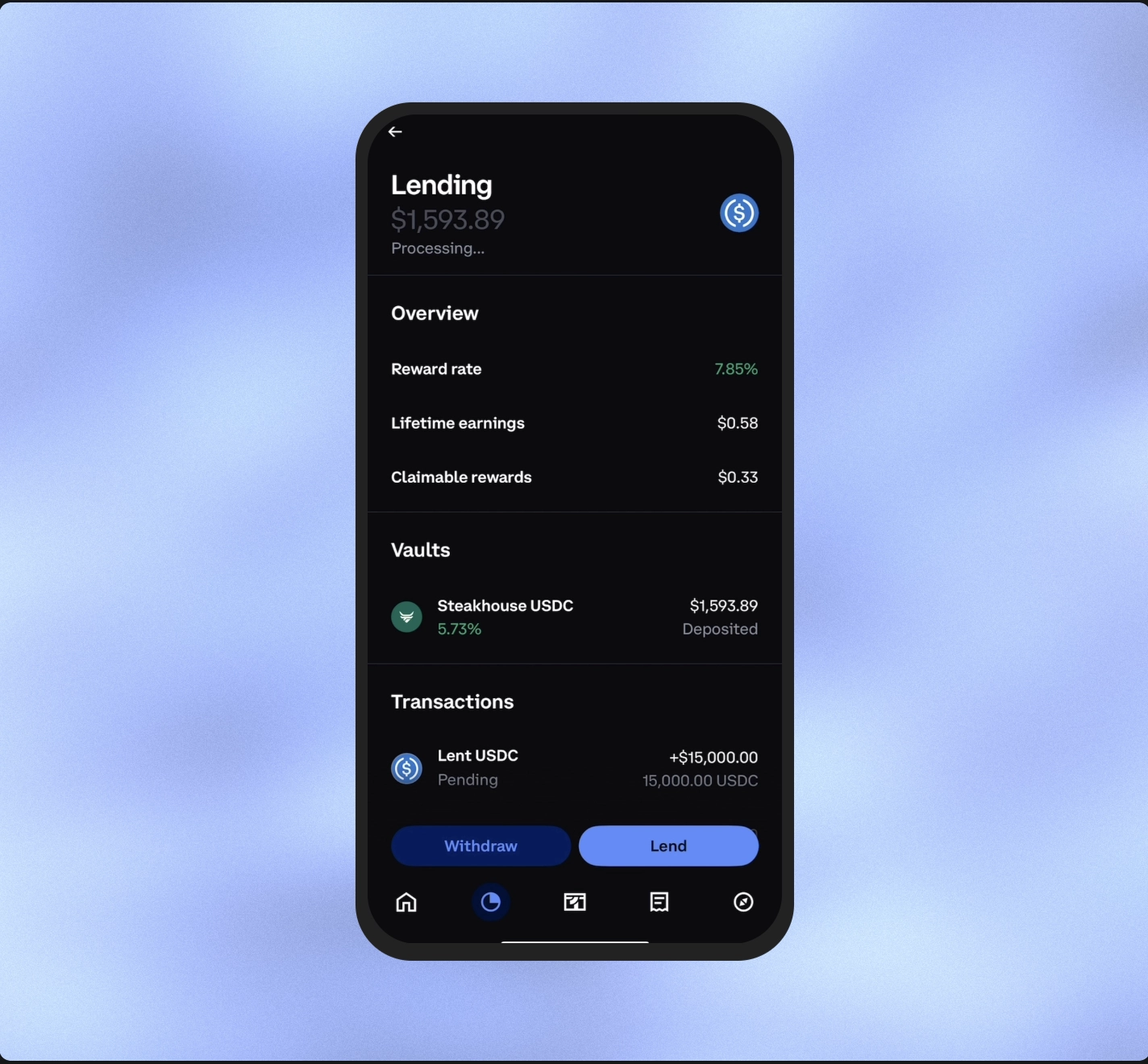
Summer.fi users can now earn yield curated by the largest vault operator on Morpho, without lifting a finger. Through DAO Managed Vaults, your deposits are automatically allocated across Steakhouse Financial's battle-tested lending strategies, rebalanced by AI, and governed by the DAO.
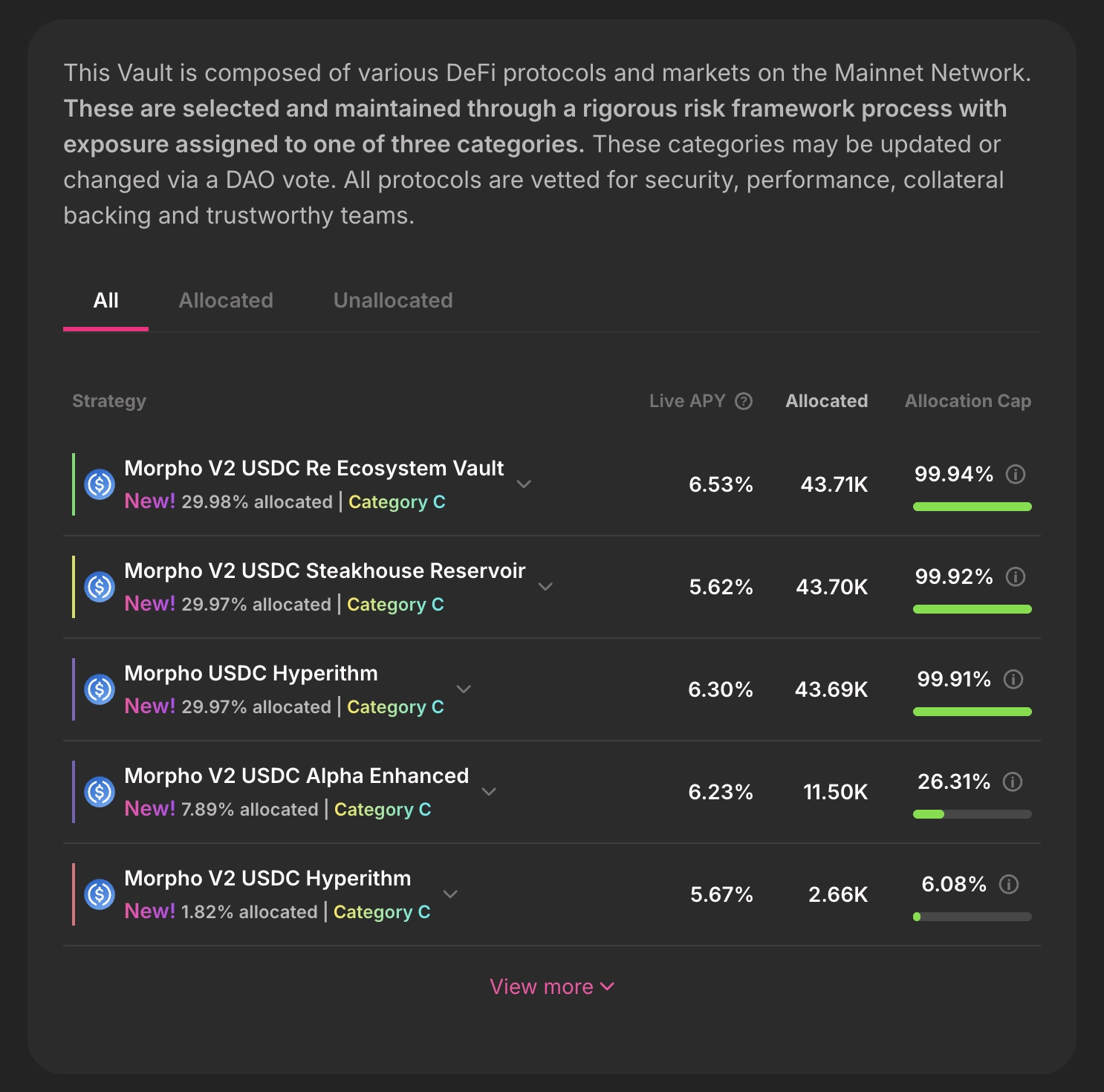
Here's how it works, why Steakhouse's yield is real, and what it means for you:
Yield strategies by Steakhouse
Steakhouse offers four core service tiers:
- Prime Stablecoin Vaults for institutional-grade, low-touch exposure backed by blue-chip collateral
- High-Yield Strategies for curated access to higher-return vaults using diversified, underwritten collateral including tokenized credit and RWAs
- Custom Mandates & Ladders tailored by currency, tenor, and risk profile for institutional treasuries
- Programmatic / Direct DeFi Access for integration via dashboards, APIs, or direct onchain connections.
DAO Managed Vaults by Summer.fi integrate several Steakhouse strategies from across these tiers, each targeting different risk-reward profiles and asset types. Here's what's under the hood:
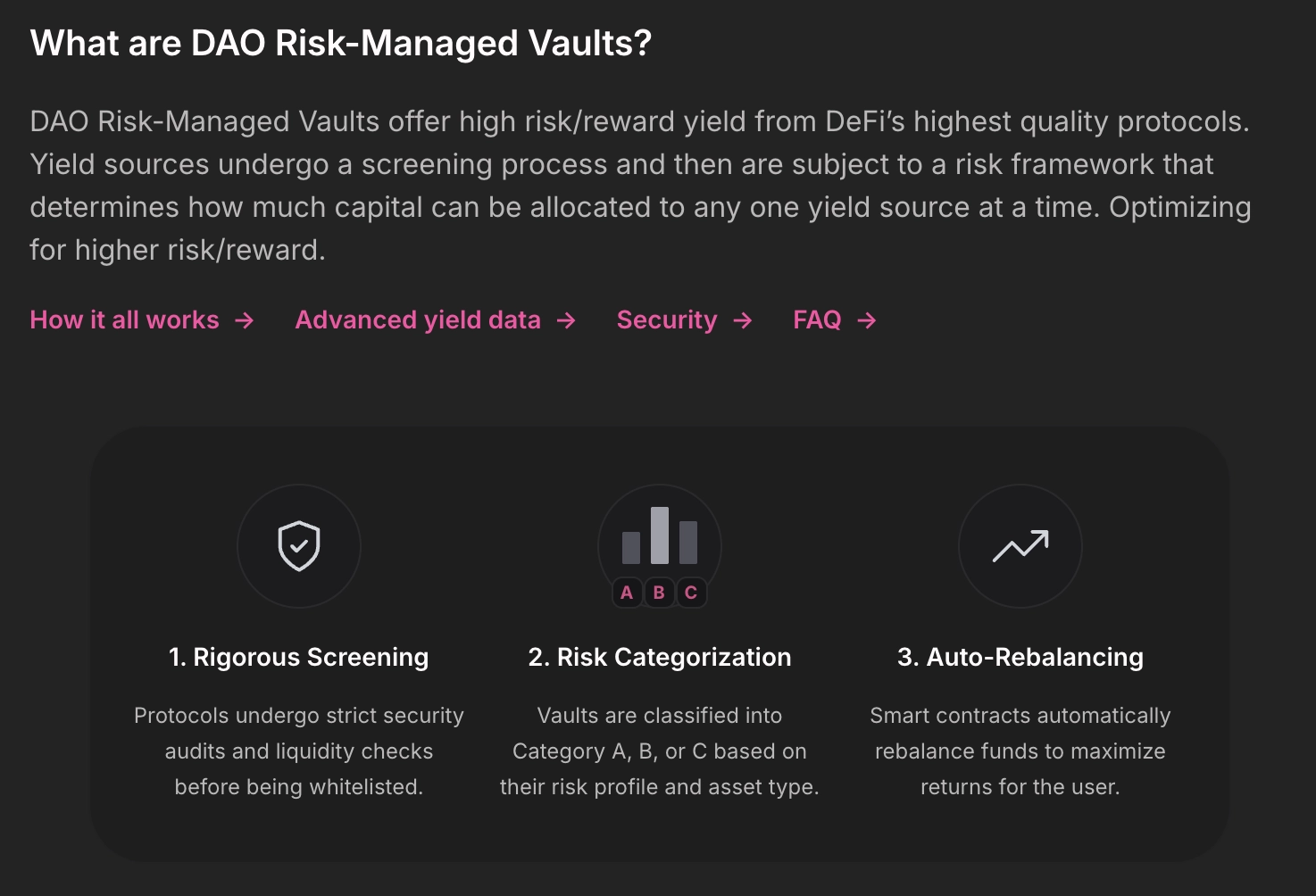
USDC Vaults
Steakhouse High Yield Instant: This vault diversifies into emerging collateral types including tokenized private credit and structured products. Shorter governance timelocks give it more agility to capture yield opportunities, but with increased exposure to structural and liquidity risks. Built for depositors comfortable with more dynamic collateral profiles in exchange for higher returns.
Steakhouse Reservoir USDC: A liquidity-focused vault designed to maintain deep redemption capacity while still generating meaningful yield.
Smokehouse USDC: Optimized for yield across a wide range of collaterals. This vault casts a broader net, lending against a diversified set of assets to capture yield wherever it's available on Morpho's markets.
3F x Steakhouse USDC: A collaboration between 3F and Steakhouse that lends against a curated set of institutional-grade real-world assets and crypto assets with real-world exposure. This vault targets yields backed by disciplined structuring and rigorous risk management, bridging TradFi credit standards with DeFi infrastructure.
Steakhouse Prime Instant: Allocations are limited to blue-chip collateral with extended timelocks governing any changes. This vault prioritizes stability and predictability over maximum yield. If you want the DeFi equivalent of a money market fund, this is it.
ETH Vaults
Steakhouse ETH: Optimizes yields by lending ETH against blue-chip crypto and real-world asset collateral markets. A dual-engine approach rotates capital between crypto and RWA lending opportunities depending on market conditions.
Steakhouse Prime ETH (Monad): Extending Steakhouse's institutional-grade curation to the Monad ecosystem, this vault brings the same risk framework to ETH lending on a new chain.
Where does the yield come from?
In DeFi, if you can't explain where the yield comes from, you are probably the yield. Steakhouse's yield comes from lending, but the details are what make it interesting because how they allocate capital and manage risk is their main point of differentiation.
Prime Vaults: Leverage demand
The Prime vaults earn yield from borrowers who want leveraged exposure to BTC and ETH.
Here's the mechanic in plain terms:
A borrower deposits $150 worth of ETH as collateral and borrows $100 in USDC. They're paying interest on that loan because they want more exposure to ETH's price movement without selling other assets. If ETH drops significantly, the position gets liquidated, the borrower takes the loss, not the lender.
That interest paid by borrowers for the privilege of leverage flows back to depositors. It's the same mechanic that's powered traditional margin lending for decades, just running on transparent, auditable smart contracts instead of bank ledgers.
High Yield Vaults: Carry trades and structured lending
The High Yield vaults earn from a different borrower profile, these are carry traders, structured position managers, and stablecoin protocol treasuries borrowing against yield-bearing stable assets.
Think of it this way: a stablecoin protocol might hold $50 million in yield-bearing assets. They want to borrow against those assets to deploy capital elsewhere and they're willing to pay interest to do so. The collateral they post is already generating yield, making these positions relatively stable. But the collateral types are more diverse and less battle-tested than blue-chip crypto, which is why the yield is higher, and the risk profile is different.
RWA-Backed Lending: Bridging TradFi and DeFi
The 3F x Steakhouse vault takes this further by lending against institutional-grade real-world assets. These are tokenized financial instruments, structured credit, fund shares, and similar assets that have been brought onchain.
Borrowers in this category often come from traditional finance and pay interest rates that reflect their credit quality and the structuring involved.
This is where Steakhouse's background in TradFi advisory becomes a genuine edge. They understand how to underwrite these assets because they helped build the frameworks for tokenizing them in the first place.
The Steakhouse Financial approach to risk
Steakhouse's approach to risk management is built on a three-pillar framework: market selection and configuration, vault setup and controls, and portfolio monitoring and reallocation.
Their philosophy is to mitigate as much risk as possible upstream, at the market creation level, with automated processes and manual overrides downstream.
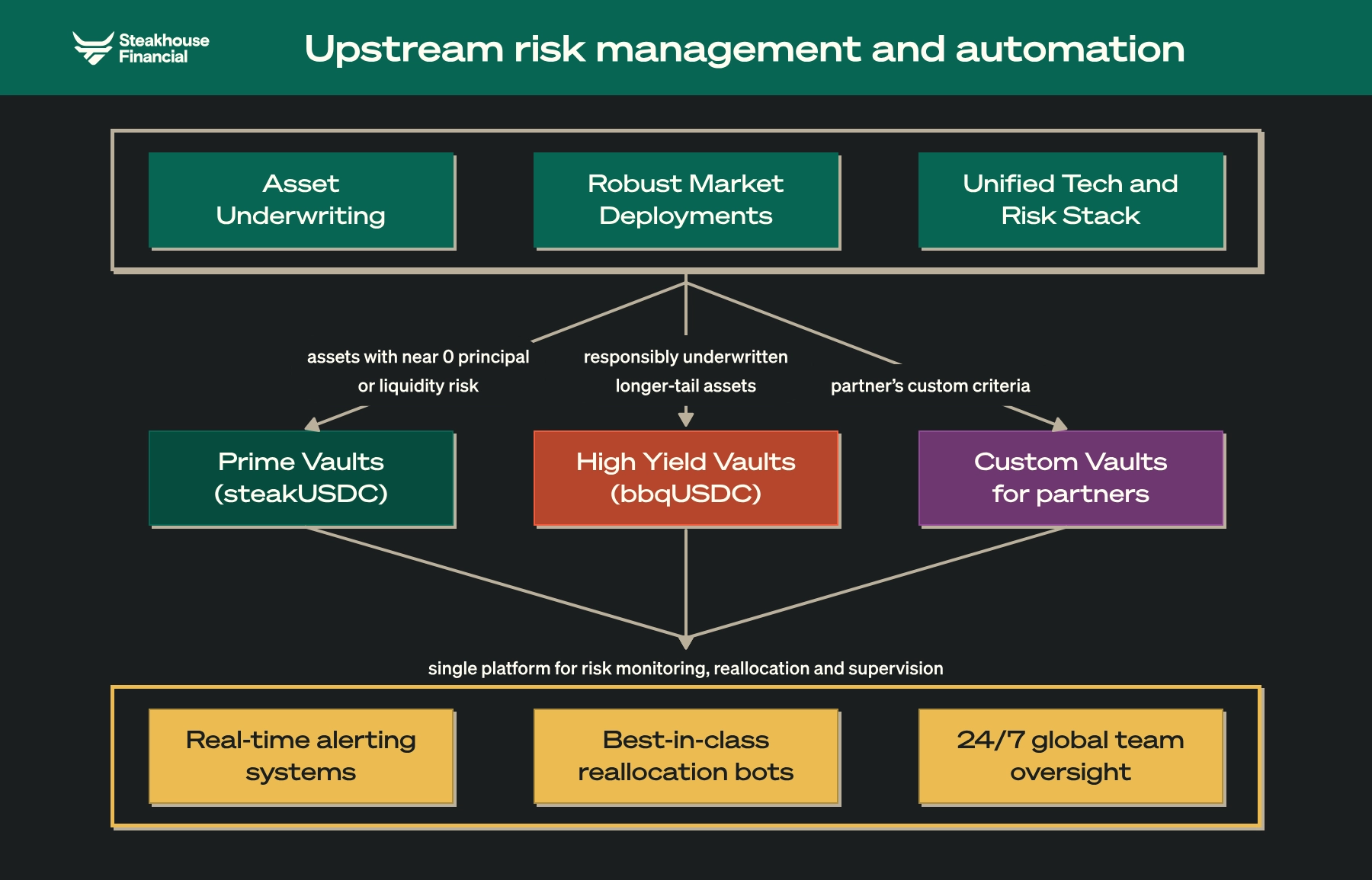
They evaluate collateral across five dimensions: credit risk, operational risk, governance risk, technical risk, and quantitative liquidity risk modeling. Constant open lines with issuers is a non-negotiable threshold for collateral onboarding, enabling rapid incident response when markets move.
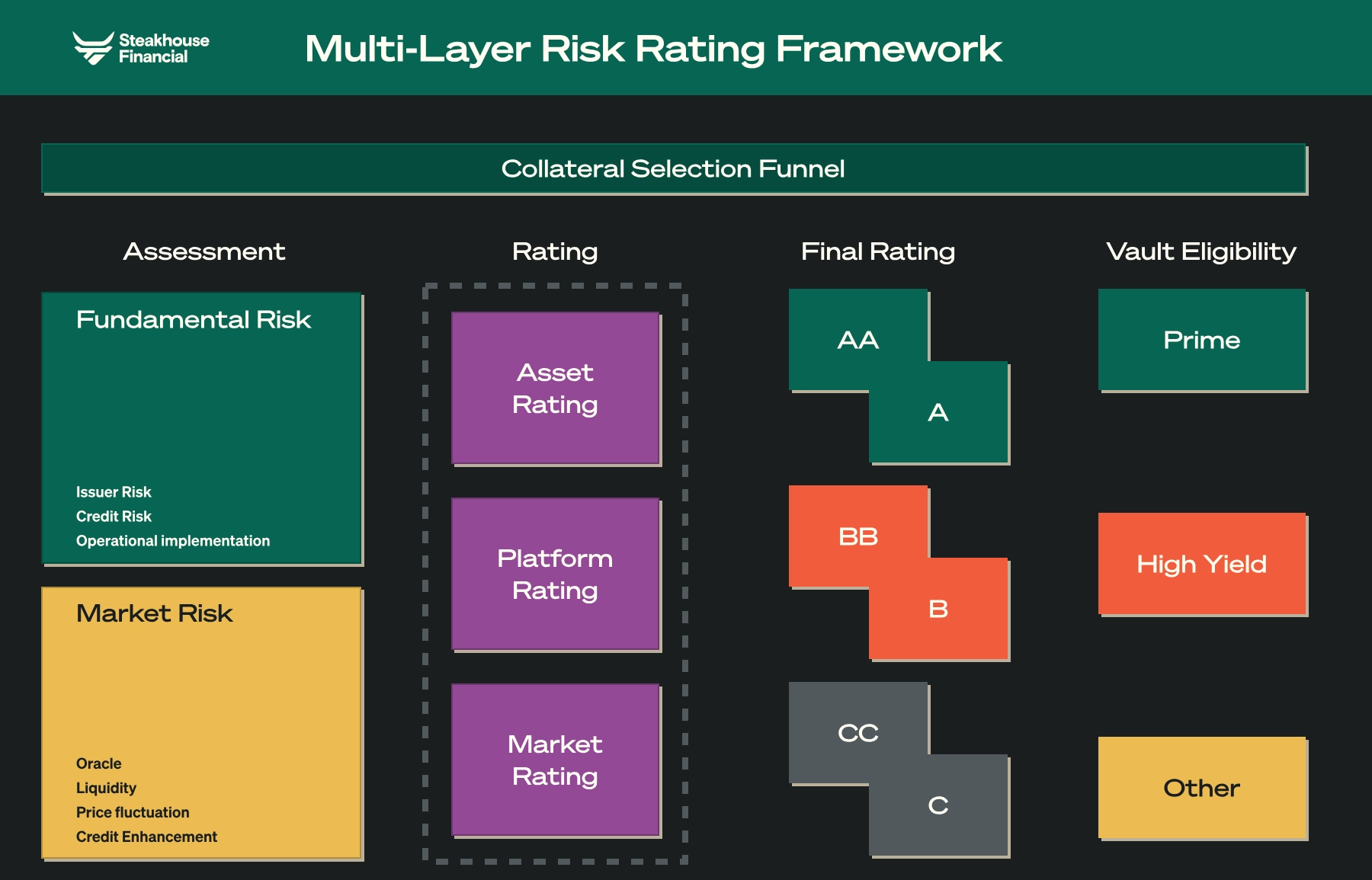
Their expertise in setting responsible LLTV parameters and ensuring robust oracle infrastructure supports automated risk management at the market level. And they prioritize non-custodial access as a primary way of minimizing counterparty exposure, you're never trusting Steakhouse with your assets, only their judgment on where to allocate.
This upstream approach is why they've avoided the blowups that have hit other curators:
- Timelocks and Guardians. Changes to vault allocations require a 7-day timelock on Prime vaults, with an Aragon DAO guardian that can veto any change. This means depositors have days to react to any strategic shift, no overnight surprises.
- Stress-Tested at Scale. On February 5, 2026, Steakhouse vaults processed $108.5 million in liquidations in a single day. Across nearly $1.7 billion in deposits, every vault maintained full redeemability. Open liquidation incentives attracted sufficient third-party capital to process the volume quickly and cleanly. That's not a marketing claim — it's an onchain, verifiable event.
- No Bad Debt. After the collapses of other vault curators like Stream Finance and Elixir, Steakhouse was the only major curator left standing with zero exposure across any of their mandates.
Get the best of Steakhouse, all the time, with DAO Managed Vaults
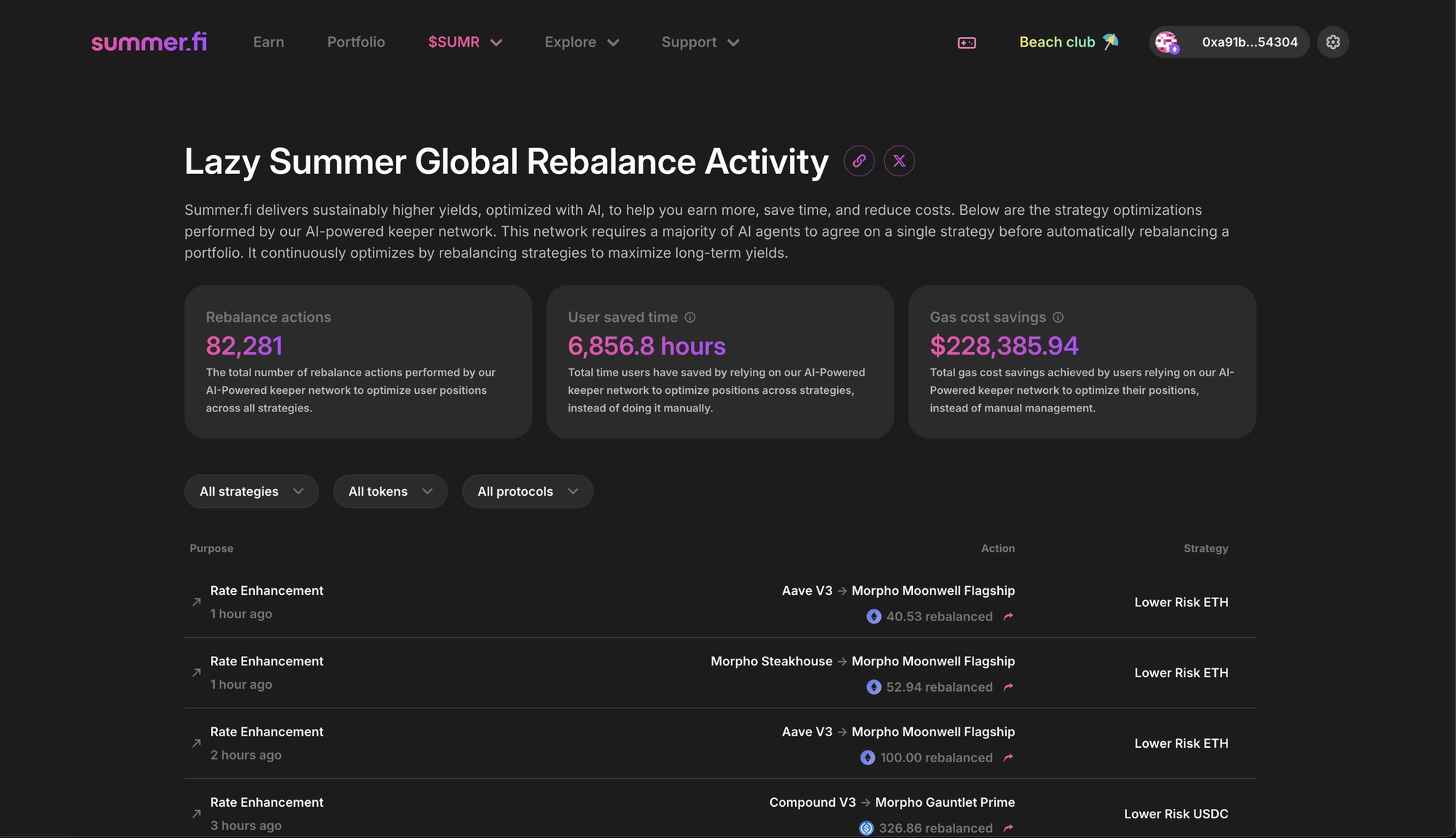
Steakhouse Financial vaults are excellent, but they are also complex. Monitoring collateral health across dozens of markets, rebalancing between Prime and High Yield based on rate environments, tracking timelock changes, that's a full-time job.
DAO Managed Vaults by Summer.fi solve this by automating the entire process. AI-powered rebalancers continuously optimize allocations across Steakhouse's strategies (and other integrated yield sources), while the DAO governs the overall risk parameters. This means that you always get the best yields from Steakhouse (and others) automatically.
This is the vision of DAO Managed Vaults: combining the best yield curators in DeFi under a single, automated, governance-minimized interface. Steakhouse is one of the cornerstones of that vision — and with their track record, it's easy to see why.
Start Earning
Explore Steakhouse's yield strategies through DAO Managed Vaults by Summer.fi
Join us
Discord | Telegram | X/Twitter | Linktree
Disclaimer: Oazo Apps Limited functions solely as a front-end interface (Summer.fi) provider and it does not act on behalf of any user. Oazo Apps Limited did not launch nor does it operate or control the Lazy Summer Protocol. The Lazy Summer Protocol is accessed through Summer.fi. The information provided herein is provided on behalf of the Lazy Summer Foundation which launched the Protocol for informational purposes only and it does not constitute investment advice. Oazo Apps Limited and the Lazy Summer Foundation are not soliciting or recommending any transaction or guaranteeing any specific returns. Users interact with the Protocol at their own risk. T&C for the use of Summer.fi apply.